Knitting Club Groovy Retro Svg Design Review
As a designer who spends half my life staring at stitch maps and the other half trying to convince clients that "simple" embroidery is actually incredibly difficult to execute well, I approach every new design asset with a mix of optimism and skepticism. When Knitting Club Groovy Retro Svg Design landed on my desk, I didn’t just see a file; I saw a potential bestseller for a boutique craft shop or a personalized gift that could make a hobbyist cry tears of joy. But before you upload it to your machine or list it on Etsy, let’s talk about what this design actually brings to the table in a real-world production environment.
The First Impression: Mood and Visual Personality
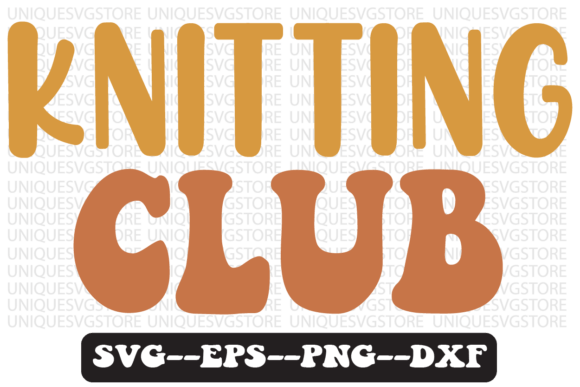
The moment you open the file, the vibe is unmistakable. We are firmly in the realm of groovy retro aesthetics, tapping into that nostalgic wave of 70s-inspired typography and playful shapes. For designers targeting the craft business market, this is gold. It speaks directly to the community of knitters, crocheters, and fiber artists who take immense pride in their craft. The visual personality is warm, inviting, and slightly whimsical, which translates beautifully into physical products.
From a layout perspective, the design feels balanced. It isn’t cluttered with unnecessary details that might get lost in the stitching process. Instead, it relies on strong lines and clear forms. This is crucial for an embroidery project because it ensures that the final result reads clearly from a distance. Whether you are creating a statement piece for a sweatshirt or a subtle accent on a tote bag, the core message remains legible. It feels like a design meant to be worn with pride, signaling membership in a club that values handmade goods and cozy afternoons.
Real-World Application: Where Does This Shine?
I recently imagined using this design for a specific client request: a custom embroidered patch for a local knitting circle’s leader. Here is how I think Knitting Club Groovy Retro Svg Design would perform in various scenarios:
- Custom Apparel: On a heavyweight cotton hoodie or a thick long-sleeve tee, this design anchors itself well. The retro theme pairs perfectly with vintage-wash fabrics. It works as a left-chest logo or a larger back print, depending on the scale.
- Baby Embroidery: Oneies and baby blankets are huge sellers for Etsy sellers. The playful nature of the design makes it suitable for a gender-neutral baby shower gift. Just ensure the font size is large enough to be readable on such a small canvas.
- Tote Bag Design: Canvas totes are the uniform of the modern crafter. This design fits the aesthetic of a reusable shopping bag or a yarn haul bag perfectly. It adds a touch of personality to a utilitarian item.
- Holiday Embroidery: Think of holiday gifts for the grandma who knits sweaters for everyone. A kitchen towel or a tea towel featuring this design is a thoughtful, usable gift that shows you know her hobbies.
The versatility here is high. Because it is provided as a digital asset, you can easily create printable mockups to preview how it looks on different backgrounds before committing to thread and fabric. This helps in building brand consistency for your online shop.
Technical Considerations for Embroidery Designers
Now, let’s get practical. A beautiful vector doesn’t always translate to a beautiful stitch-out. Here is what you need to watch out for when digitizing or preparing this embroidery file.
Stitch Density and Detail Level
Retro designs often rely on bold outlines and solid fills. You need to check the stitch density carefully. If the design uses too many fill stitches in a small area, the fabric may pucker, especially on lighter materials. Conversely, if the lines are too thin, they might look jagged or break apart during washing. I recommend inspecting the satin stitch edges to ensure they are crisp. If the original SVG has tiny decorative accents, consider simplifying them for smaller hoop sizes to maintain clarity.
Fabric and Stabilizer Choices
The success of this machine embroidery design hinges on your substrate. For custom apparel like t-shirts and tank tops, a cut-away stabilizer is usually non-negotiable to prevent stretching. If you are working on textured fabrics like bouclé or heavy tweed, the fine details of the design might get swallowed up. In those cases, the bold retro shapes will carry the weight, but delicate inner details may be lost.
Also, consider the color contrast. Retro palettes often feature muted tones. Ensure your thread colors pop against the fabric. A light yellow text on a cream shirt won’t work. Test your combinations. Black thread on dark navy? Check it. White thread on pastel pink? Usually safe, but always test first.
Hoop Size Constraints
If you are planning to embroider this on a cap or a curved surface, remember that hoop size limitations apply. Curved surfaces distort flat designs. You may need to adjust the scaling or choose a placement that avoids the most complex curves. For flat items like pillow covers or aprons, you have more freedom, but always center the design properly to avoid awkward cropping.
Commercial Viability and Customer Appeal
For the small business owner, this design hits several psychological triggers. It suggests community ("Club"), nostalgia ("Retro"), and creativity ("Knitting"). These are powerful selling points. Customers buy into the story as much as the product. A finished product featuring this design feels like a badge of honor for the wearer.
It also lends itself well to bundling. Imagine offering a matching set: a tote bag design with the main graphic and a smaller embroidered patch version for a denim jacket. This increases the perceived value of your handmade product. Furthermore, because it is a graphics asset, you can use it for digital downloads, allowing you to serve both the maker market (who want to stitch it themselves) and the end-user market (who want the finished item).
Final Verdict: Is It Worth the Hoop Time?
Yes, but with preparation. Knitting Club Groovy Retro Svg Design is a strong contender for any catalog focused on fiber arts, lifestyle, or retro fashion. It is visually appealing, emotionally resonant, and technically adaptable. However, do not skip the testing phase. Always stitch a sample on scrap fabric first. Check the thread colors under natural light. Inspect the corners for any loose threads. Confirm the license terms if you plan to sell finished items commercially—this is critical for protecting your craft business.
When executed well, this design transforms from a simple image into a tangible expression of identity. It turns a plain sweatshirt into a conversation starter and a basic tote bag into a statement piece. For designers who understand the nuance between a good digital file and a great embroidered product, this design offers a solid foundation for creating memorable, high-quality merchandise. Just remember: the design provides the soul, but your technical skill provides the body. Treat it with respect, and it will reward you with happy customers and repeat sales.