Mr and Mrs Marcus Retro Svg Design
When I pull a new digital embroidery file into my workspace, my first instinct is always to ask one question: does this actually work on fabric? There are plenty of designs that look stunning in a vector program but fall apart when the needle hits the cloth. That is exactly why I took Mr and Mrs Marcus Retro Svg Design for a spin before recommending it to my network of crafters and small business owners. This isn’t just about aesthetics; it’s about structural integrity, stitch density, and whether a customer will actually wear or use the finished item without regret.
The First Impression: Mood and Visual Personality
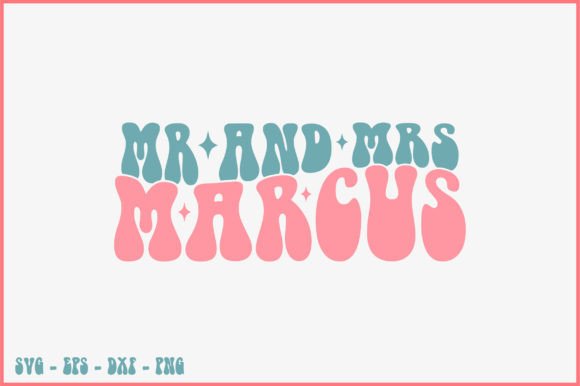
From a design perspective, the immediate vibe of Mr and Mrs Marcus Retro Svg Design is warm, nostalgic, and distinctly personal. The retro aesthetic lends itself naturally to a sense of timelessness, which is crucial for products meant to last. Unlike fleeting trends that might look dated next season, this style has a grounded appeal. The layout feels balanced, suggesting a design that respects negative space—a critical factor in embroidery where too much clutter can lead to puckering or a muddy final look.
The visual personality here leans toward boutique charm. It doesn’t scream for attention with loud graphics; instead, it invites a closer look. For an Etsy seller or a maker at a craft fair, this subtle confidence is often more effective than bold, aggressive imagery. It suggests quality and care, traits that buyers associate with higher-value handmade goods. The shapes within the design appear clean, which bodes well for digitization clarity, ensuring that the curves and lines remain distinct after stitching.
Real-World Application: Where This Design Shines
I envision Mr and Mrs Marcus Retro Svg Design performing exceptionally well on specific categories of custom apparel and home goods. Let’s talk about the tote bag scenario. A sturdy canvas tote is a classic vehicle for embroidery, and this design’s retro flair would pop beautifully against natural cotton or denim backgrounds. It transforms a simple utility item into a statement piece, perfect for a personalized gift or a branded merch drop for a creative entrepreneur.
Beyond bags, I see strong potential in sweatshirt embroidery. Whether it’s a cozy crewneck or a vintage-style hoodie, placing this design on the chest or back creates an instant heirloom quality. The retro theme pairs effortlessly with soft fabrics, enhancing the tactile experience of the garment. Similarly, for baby items, this design strikes the right balance between cute and sophisticated. It works wonderfully on burp cloths, hooded towels, or nursery wall hangings, offering a neutral-yet-charming option for modern parents who want something unique beyond standard baby prints.
For the commercial embroidery sector, think about holiday gifts. The “Mr and Mrs” aspect makes it an ideal wedding gift or anniversary present. It also translates well to kitchen textiles like tea towels or aprons, adding a touch of whimsy to everyday routines. When you are designing for a small shop product line, versatility is key. This machine embroidery design fits seamlessly into a collection of matching sets, allowing you to offer coordinated items that increase average order value.
Technical Considerations and Potential Pitfalls
No review is complete without addressing where things can go wrong. Even the best design assets require careful handling during production. One area to watch closely is the placement on curved surfaces like caps or hats. While the design may look flat and perfect on a screen, transferring it onto a structured brim or a rounded crown requires precise hooping and possibly stabilizer adjustments. If the curvature is too extreme, the central elements might distort, so test this thoroughly before committing to a full run.
Another critical factor is fabric texture. If you plan to embroider this on highly textured materials like chunky knits or terry cloth, the fine details of the retro pattern might get lost. The stitches could struggle to anchor properly, leading to a less crisp finish. In such cases, a dense stabilizer backing becomes non-negotiable to prevent sinking. Conversely, on smooth fabrics like jersey or thin cotton, be mindful of stretch. Without adequate support, the fabric may pucker around the stitch density, ruining the professional look of the finished product.
Color contrast is also paramount. The retro palette likely relies on specific tonal relationships. If you are working with dark fabric, ensure your thread choices provide enough contrast for the lighter elements of the design to read clearly. A low-contrast setup can make the design look dull or incomplete. Always preview your thread colors against the actual fabric swatch under the lighting conditions where the product will be viewed.
Practical Designer Notes for Execution
- Test on Scrap Fabric: Never skip this step. Stitch out the design on a scrap of your actual project fabric to check for tension issues, thread breaks, or registration errors.
- Review Stitch Density: Ensure the fill stitch areas are not too dense for the chosen fabric weight. Excessive density can cause stiffness and discomfort, especially in wearable items.
- Check Small Details: Zoom in on the digital file. Are there any tiny elements that might be difficult for the machine to stitch accurately? Simplifying these if necessary can improve durability.
- Black and White Mockups: View the design in grayscale to verify that the composition holds up without relying on color alone. This helps assess balance and hierarchy.
- Stabilizer Selection: Match your stabilizer to the fabric. Cut-away for stretchy knits, tear-away for wovens, and hooped stabilizers for delicate items.
- Licensing Verification: Before selling any handmade product featuring this design, confirm the licensing terms. Ensure you have the right to sell finished items commercially, especially if you are an Etsy seller or running a craft business.
Impact on Brand and Customer Trust
Using a well-executed embroidery project like this elevates your brand perception. Customers can spot sloppy digitization from a mile away. A clean, stable stitch job signals professionalism and attention to detail. When a buyer receives a personalized gift or a custom apparel item that looks polished, their trust in your shop increases. This leads to better reviews, repeat customers, and word-of-mouth referrals.
The retro theme also taps into current consumer desires for authenticity and nostalgia. By offering this applique design or stitched graphic, you are providing more than just a product; you are offering a feeling. This emotional connection is what drives engagement in the small shop product market. It makes the item shareable on social media, giving you free marketing through user-generated content.
Final Verdict
Mr and Mrs Marcus Retro Svg Design is a solid addition to any designer’s toolkit. It offers a versatile, aesthetically pleasing solution for a wide range of embroidery projects, from intimate personal gifts to commercial merchandise lines. Its retro charm is timeless, and its structure appears sound for practical application. However, success depends on your execution. Pay attention to fabric choice, stabilizer usage, and color contrast. Test rigorously, respect the limitations of the medium, and you will create handmade products that stand out in a crowded marketplace.
Whether you are creating a single embroidered patch for yourself or scaling up production for your craft business, this design provides a reliable foundation. Just remember to check the included formats—SVG, EPS, DXF, PNG—to ensure compatibility with your workflow, and always prioritize quality control over speed. In the world of handmade goods, quality is your strongest currency.